Exploring the Benefits and Challenges of Automating DFIR Processes
- Views: 714


Digital Forensics and Incident Response (DFIR) is a subcategory of cybersecurity. It investigates data breaches, phishing scams, ransomware, and other incidents.
The goal is to identify how the cybercriminals initialized the attack, its purpose, and the damage it can cause. This, in turn, helps secure data and prevent future attacks.
However, such processes require huge amounts of data processing. Therefore, automating them saves time and reduces the need for manual effort. Besides, it also boosts accuracy, which is another plus.
But as they say, “There’s no rose without a thorn.” Put simply, automation comes with its own downsides.
What Is DFIR?
DFIR is a combined discipline that consists of digital forensics and incident response. Through scientific techniques and automated tools, DFIR can better identify and preserve data regarding cyber-attacks.
Digital Forensics (DF) primarily manages situations that result from IT-related security incidents or data breaches. It also collects data regarding incidents and responds to limit and counteract cyber attacks.
However, as the name implies, incident response (IR) is the process by which businesses react to a cybersecurity event. However, how precisely does IR operate?
The goal of incident response is to identify the origin of the attack, the degree of damage it produces, and the necessary corrective action.
This leaves us with another question: what is the difference between DF and IR?
We can conclude that DF deals with data collection and analysis, which makes it the source of identification. Contrarily, IR refers to the plan set in action that helps recover from the incident. So, DF is the investigative side. It provides basic data regarding the attack, while IR is the action plan that helps mitigate the damage.
What are the Benefits of Automating DFIR Processes?
Cyber Security teams can benefit from automating DFIR processes. Here’s how.
1. Quick Investigation & Response Time
Cybercriminals can steal data within seconds and use it as leverage. This is why immediate action from cyber security is needed. Cyber security teams can quickly respond to these threats by automating DFIR processes.
It results in quick identification and control of the threat. It also saves time and reduces the need to perform repetitive tasks.
When organizations spend less time on repetitive tasks, they can focus more on effective incident management. Redirecting their focus on reducing response time through automated investigation also allows them to operate more efficiently.
2. Reduced Human Error
To manage cyber threats, you must be consistent and highly accurate regarding data management. Automating DFIR processes can eliminate human errors because automated tools perform tasks with precision.
This reduces the risk of mistakes caused by manual processes. Repetitive tasks performed through manual force are prone to errors.
On the other hand, automated repetitive tasks like data collection or log analysis have a lower error rate due to highly precise automated systems.
This reduction is beneficial to cybersecurity organizations as they require a maximum level of accuracy to mitigate threats.
3. Scalability
Large organizations require scalability for huge amounts of data. The increased complexity of cyber threats and cybercriminals’ evolving tactics have made it necessary for organizations to automate DFIR processes to scale.
Automation can eliminate the exhaustion of resources required to handle multiple cyber incidents. Organizations can then divert their focus to creating stronger security measures instead of handling vast amounts of data.
4. Reduced Operational Costs
Another benefit of automating DFIR processes is reduced operational costs. Processes such as data collection, log analysis, and threat detection require huge manual labor. Automating these tasks will minimize personnel costs.
Since automated tasks are highly precise, they also reduce the use of resources to fix errors. This helps boost financial savings. Sure, the initial cost of automated tasks is high, but a reduced cost of manual operations covers this.
Common DFIR Automation Tools
By handling monotonous chores, analyzing vast volumes of data, and offering prompt insights into incidents, automation systems free up investigators to concentrate on more intricate aspects of their work.
The following list of five well-liked DFIR automation solutions can aid in streamlining these procedures:
1. Magnet AUTOMATE

Magnet AUTOMATE is a powerful tool that automates many digital forensics processes. It helps investigators by automating data collection, processing, and reporting. This tool can work with various digital evidence sources like computers, mobile devices, and cloud services. By automating these tasks, Magnet AUTOMATE saves time and reduces human error, helping teams focus on analyzing the results.
2. Cyber Triage
Cyber Triage is designed to automate incident response processes for small to medium-sized companies. It helps responders quickly collect and analyze data from compromised systems. Cyber Triage automates tasks like scanning for malware and detecting suspicious activities. It can also identify potential indicators of compromise. This tool is great for teams that need a fast and efficient way to handle incidents.
3. TheHive
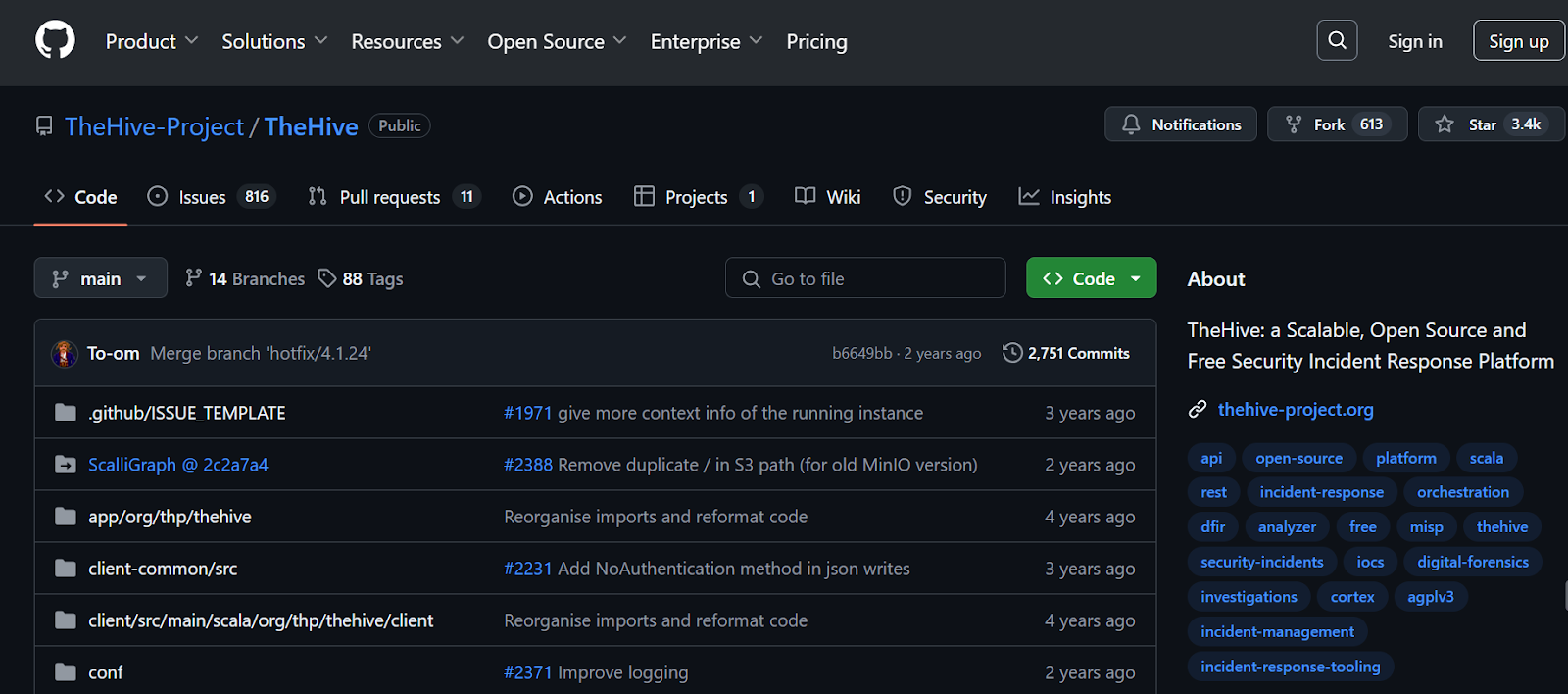
TheHive is a powerful and flexible open-source platform. It can help to streamline security incident response and threat management processes. It also offers a centralized hub for managing incidents and intelligence. This helps teams to coordinate and respond to cyber threats more efficiently. The platform makes it easy to automate the enrichment of indicators of compromise by connecting to threat intelligence streams. Tasks within incidents can be created and tracked by analysts to ensure thorough case documentation.
4. Velociraptor
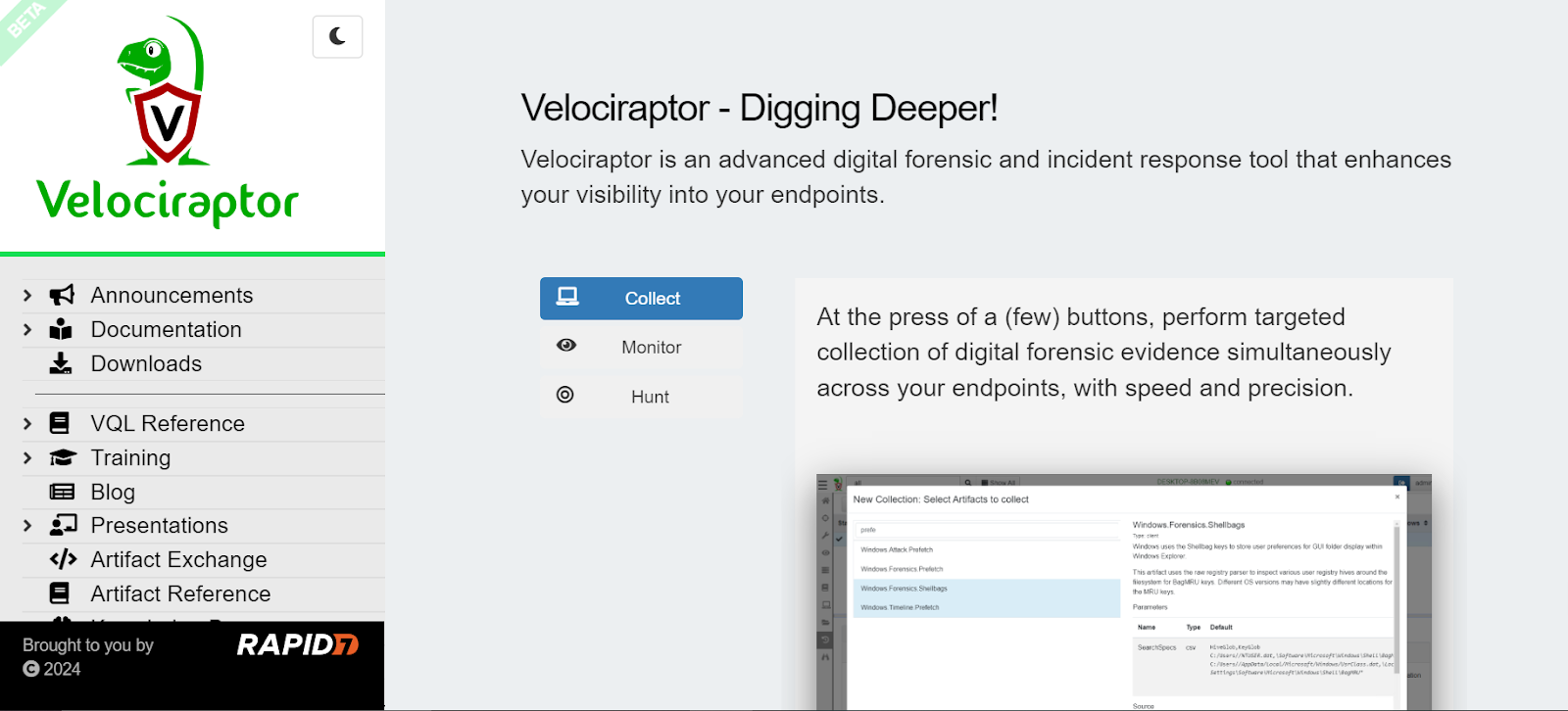
Velociraptor is another powerful open-source tool. It is famous for its digital forensics and incident response. It helps security teams to investigate and respond to cyberattacks. Velociraptor can quickly collect data from multiple devices. Then it analyzes the data for any suspicious activity. It can also identify the root cause of incidents. Velociraptor also offers features for hunting threats and monitoring endpoints. The tool is ideal for routine tasks, which makes it a valuable asset for companies of all sizes.
5. X1 Social Discovery

X1 Social Discovery is a tool designed to automate the collection and analysis of social media data. It is particularly useful for investigations that require monitoring and analyzing social media activities. X1 Social Discovery can collect data from popular social media platforms and web pages, preserving them as evidence. This tool’s automation features help investigators quickly gather relevant information without needing to manually search and collect data.
The efficacy and efficiency of incident response and digital forensic investigations can be significantly improved by these DFIR automation solutions. They enable investigators to concentrate on findings analysis and key decision-making by automating repetitive procedures, which eventually produces faster and more accurate results.
Exploring the Challenges of Automating DFIR Processes

Automating DFIR processes presents numerous benefits to organizations. However, the implications may bring a set of challenges.
Before implementing automation to DFIR, it’s crucial for organizations to look into the challenges to come up with an ideal solution for the successful use of automation processes.
Let’s look into the most common challenges of automating DFIR processes for cybersecurity.
1. Compatibility Issues
When organizations lack expertise in the technical field, they may encounter challenges like compatibility issues.
For instance, if the existing system isn’t compatible, implementing automation for DFIR becomes even more difficult, especially without the necessary technical know-how.
In case execution gets delayed, the organizations will spend more time trying to automate their processes. This can exhaust resources and distract them from fully focusing on managing cyber threats.
2. Incorrectly Flagged Incidents or Missed Threats
Automating repetitive tasks reduces the risk of errors. However, completely relying on automated processes and their results isn’t the right approach.
Automating DFIR processes can create false positives, such as incorrectly flagged incidents, or even false negatives, such as missed threats. When the pre-defined algorithm does not detect a new threat, it can result in errors.
3. Over-Reliance on Automated Systems
Machines—as of right now—cannot make informed decisions. Relying heavily on automated processes makes organizations overlook their human expertise.
Managing cybersecurity requires a keen eye to detect threats and a quick response to evaluate them. If organizations heavily depend on automated tasks, a system failure can result in a lack of preparation for manually handling threats.
4. Mitigating Evolving Threats
DFIR teams must be constantly on their feet. With evolving cyber threats and new criminal tactics, they need to improve.
Automated processes follow an algorithm. If cybercriminals exploit a potential security gap, these algorithms can horribly fail. Therefore, an updated algorithm and continuous monitoring are needed to keep your DFIR processes effective.
Final Thoughts
Data collection and analytics can completely change through automated DFIR processes. They allow you to save time, reduce costs, and drive highly precise results – key factors for maintaining cybersecurity’s integrity.
However, organizations must never forget that human expertise remains crucial. When systems hit a snag or don’t perform as expected, having a skilled professional on hand can make all the difference.

You Might Like